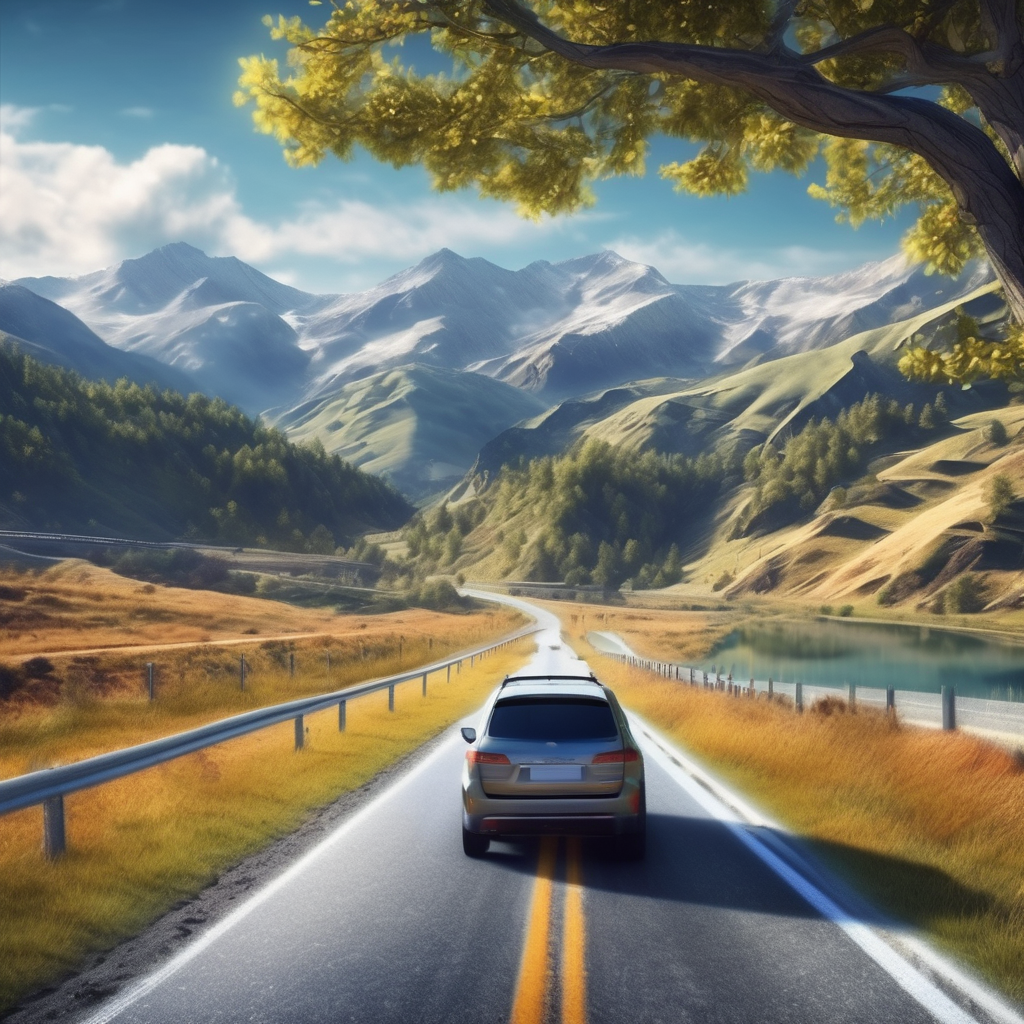
Ultimate Self-Drive Itinerary Guide: Planning the Perfect Road Trip Adventure in 2026
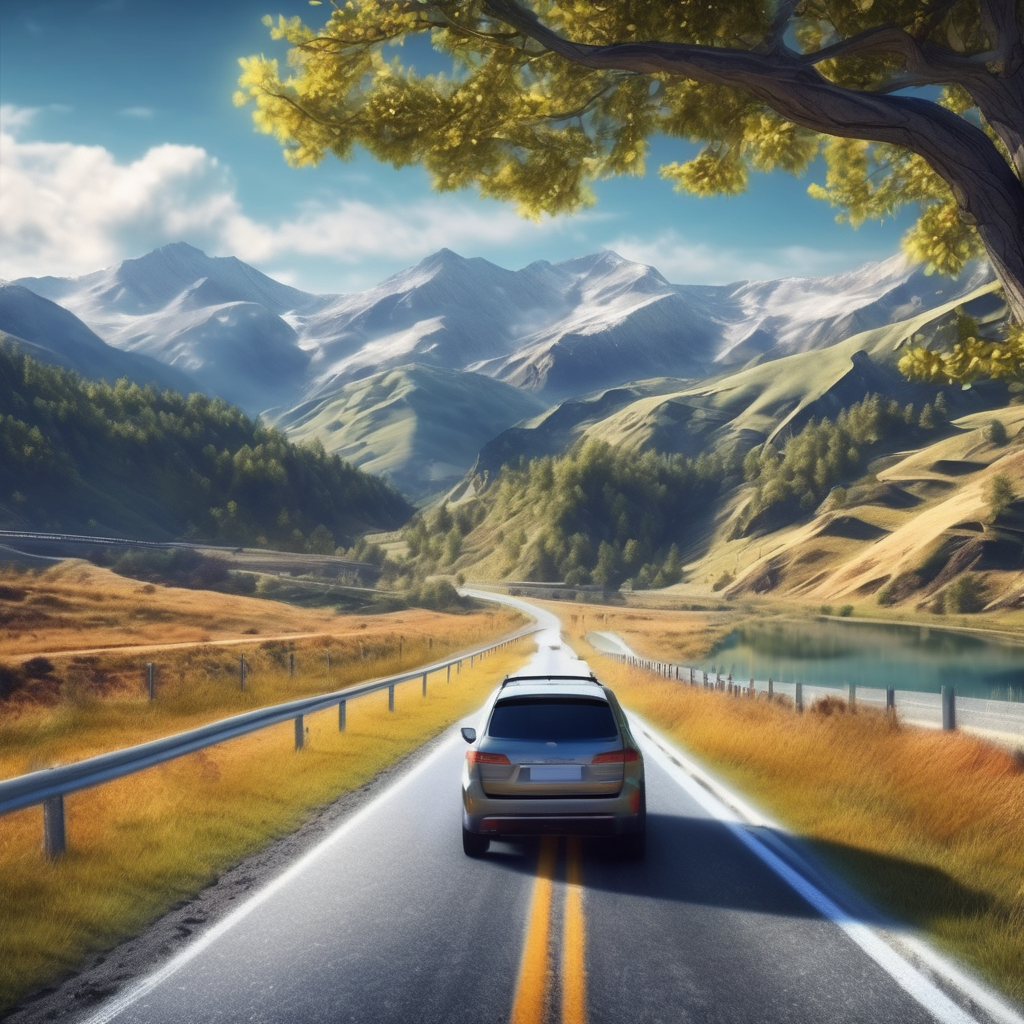
There’s something magical about hitting the open road, where every mile brings new discoveries and the journey becomes as memorable as the destination. Self-drive travel offers unparalleled freedom, flexibility, and the opportunity to explore at your own pace. Whether you’re planning a weekend getaway or an epic cross-country adventure, this comprehensive guide will help you create the perfect self-drive itinerary.
Why Choose a Self-Drive Adventure?
Self-drive travel has experienced a remarkable resurgence, and for good reason:
- Complete flexibility: Stop whenever and wherever you want
- Off-the-beaten-path exploration: Access destinations unreachable by public transport
- Cost-effective: Split costs among travelers; save on tours and transfers
- Comfort and convenience: Travel with all your gear without luggage restrictions
- Unforgettable experiences: Create unique memories and spontaneous adventures
- Family-friendly: Ideal for traveling with children or pets
Step 1: Choose Your Route and Destinations
The foundation of any great self-drive itinerary is a well-planned route.
Factors to Consider When Planning Your Route
Distance and driving time: Be realistic about how much ground you can cover comfortably. A good rule of thumb is no more than 4-6 hours of driving per day, leaving time for exploration.
Seasonal considerations: Weather, daylight hours, and peak tourist seasons all affect your experience.
Your interests: Coastal scenery, mountain landscapes, historic towns, national parks—what draws you?
Road conditions: Some routes require 4WD or have seasonal closures.
Scenic vs. efficient: Highways get you there faster; back roads offer more character.
Popular Self-Drive Route Types
| Route Type | Best For | Example |
|————|———-|———|
| Coastal drives | Ocean views, beach stops | Pacific Coast Highway, Great Ocean Road |
| Mountain routes | Dramatic scenery, hiking | Rocky Mountain Loop, Alpine Route |
| Historic trails | Cultural sites, small towns | Route 66, Silk Road |
| Wine country | Tastings, culinary experiences | Napa Valley, Tuscany |
| National park loops | Nature, wildlife, camping | National Parks Grand Circle |

Step 2: Determine Your Timeline
How much time you have shapes everything about your itinerary.
Creating a Realistic Schedule
Calculate driving time: Use mapping apps to estimate travel time between stops, then add 20-30% for breaks, traffic, and spontaneous detours.
Balance driving with activities: For every hour of driving, plan 2-3 hours for exploration and relaxation.
Build in flexibility: Leave at least one “buffer day” for unexpected discoveries or delays.
Plan rest days: Every 2-3 days of driving, schedule a day in one location to recharge.
Sample Timeline Structure
- Day 1: Departure city → First major stop (moderate drive, afternoon exploration)
- Day 2: Full exploration day at first destination
- Day 3: First stop → Second destination (scenic route, multiple short stops)
- Day 4: Second destination exploration
- Day 5: Second stop → Third destination or return journey
Step 3: Book Accommodations Strategically
Where you stay affects your budget, experience, and flexibility.
Accommodation Options for Road Trippers
Hotels and motels: Convenient, consistent, often located near highways
Vacation rentals: More space, kitchen facilities, local neighborhood feel
Camping: Budget-friendly, nature immersion, reservation often required
RV parks: Amenities for motorhome travelers
Unique stays: Treehouses, yurts, farm stays for memorable experiences
Booking Tips
- Reserve anchor stays: Book accommodations for your main destinations in advance
- Stay flexible: Leave some nights open for spontaneous changes
- Check cancellation policies: Flexible bookings accommodate route changes
- Consider location: Edge-of-town lodging is often cheaper and easier to access
- Read reviews: Look for road tripper-friendly features (parking, early check-in, etc.)
Step 4: Prepare Your Vehicle
Your car is your companion on this journey—treat it well.
Pre-Trip Vehicle Checklist
Essential maintenance:
- Oil change and fluid levels
- Tire condition and pressure (including spare)
- Brakes and lights
- Battery health
- Windshield wipers and fluid
- Air conditioning/heating
Emergency kit:
- Jumper cables or portable starter
- First aid kit
- Flashlight and extra batteries
- Basic tool kit
- Reflective triangles or flares
- Blanket and extra water
Documentation:
- Driver’s license and insurance
- Vehicle registration
- Roadside assistance information
- Printed maps as backup
Rental Car Considerations
If renting, look for:
- Unlimited mileage plans for long trips
- Appropriate vehicle size for passengers and luggage
- Good fuel efficiency for budget savings
- Reliability ratings and reviews
- Clear insurance coverage options

Step 5: Pack Smart for the Road
The right packing makes road trip life comfortable and convenient.
Packing Categories
Clothing essentials:
- Layered clothing for variable weather
- Comfortable driving attire
- Walking shoes for exploration
- Sun protection (hat, sunglasses)
- Rain gear
Tech and entertainment:
- Phone chargers and car adapters
- Portable power bank
- Offline music and podcasts
- Audiobooks for long stretches
- Camera and accessories
Comfort items:
- Neck pillow and blanket
- Snacks and water bottles
- Cooler for fresh provisions
- Reusable bags
- Tissues and hand sanitizer
Navigation tools:
- GPS device or smartphone mount
- Downloaded offline maps
- Physical road atlas as backup
- Destination research and reservations
Packing Organization Tips
- Use packing cubes to organize clothing
- Keep a “day bag” accessible for each stop
- Store emergency supplies where they’re easily reachable
- Maximize trunk space with soft bags that conform to shapes
Step 6: Plan Your Stops and Activities
The best road trips balance driving with memorable experiences.
Types of Stops to Include
Major attractions: The iconic destinations that anchor your trip
Hidden gems: Lesser-known spots discovered through research or word-of-mouth
Scenic viewpoints: Photo opportunities and natural beauty breaks
Local experiences: Markets, cafes, and cultural sites
Active breaks: Short hikes, swims, or walks to stay energized
Rest stops: Quality breaks with good facilities
Research Resources
- Travel blogs and road trip planning sites
- Local tourism websites
- TripAdvisor and Google Maps reviews
- Reddit and travel forums
- Instagram geotags and hashtags
- Roadside America for quirky attractions
Building Your Daily Schedule
A balanced day might include:
- Morning drive (2-3 hours)
- Mid-morning activity or attraction
- Lunch at a local spot
- Afternoon drive or exploration
- Evening at destination: dinner, relaxation, planning tomorrow
Step 7: Navigate Safely and Confidently
Safe driving ensures a successful journey.
Essential Driving Tips
Stay alert: Take breaks every 2 hours; share driving duties if possible
Respect local rules: Speed limits, traffic laws, and driving customs vary
Anticipate conditions: Weather, road works, and seasonal hazards
Defensive driving: Especially important on unfamiliar roads
Fuel planning: Fill up when below half tank in remote areas
Navigation Best Practices
- Download offline maps before areas with poor connectivity
- Cross-reference GPS with physical signs
- Research construction and closures before departing
- Have a backup plan for closed routes
- Trust your instincts if a route seems unsafe
Handling Emergencies
Vehicle breakdown: Stay calm, move to safety, call roadside assistance
Getting lost: Stop safely, check maps, ask locals if needed
Weather delays: Find safe shelter, adjust plans, don’t risk dangerous conditions
Health issues: Know locations of hospitals along your route
Theft prevention: Lock vehicle, hide valuables, use secure parking
Step 8: Budget and Manage Expenses
Keep costs under control without sacrificing experiences.
Major Expense Categories
| Category | Tips to Save |
|———-|————–|
| Fuel | Compare prices with apps; drive steadily for efficiency |
| Accommodation | Mix hotel nights with camping; use loyalty programs |
| Food | Pack snacks and some meals; picnic at scenic spots |
| Activities | Look for free attractions; book popular sites in advance |
| Tolls | Consider toll-free routes; buy passes for multi-toll areas |
Budgeting Tips
- Set a daily spending limit
- Track expenses with an app
- Allocate splurge budget for special experiences
- Book refundable reservations to maintain flexibility
- Carry some cash for areas without card facilities
Step 9: Capture and Share Your Journey
Document your adventure to relive and share.
Photography Tips
- Shoot in early morning or late afternoon for best light
- Capture details and moments, not just landmarks
- Include your vehicle and travel companions occasionally
- Use burst mode for action shots
- Back up photos regularly
Travel Journal Ideas
- Daily highlights and reflections
- Conversations and local encounters
- Restaurant and accommodation notes
- Unexpected discoveries
- Future trip ideas inspired by this journey
Sharing Your Trip
- Post real-time updates if desired
- Create a photo book or album afterward
- Write reviews to help future travelers
- Share tips and recommendations with friends
- Consider starting a travel blog
Common Self-Drive Mistakes to Avoid
Learn from others’ experiences:
1. Over-ambitious itineraries: Less driving means more enjoying
2. Ignoring vehicle maintenance: A breakdown ruins any trip
3. Underpacking for emergencies: Essential gear is non-negotiable
4. Over-relying on GPS: Technology can fail; have backups
5. Rigid scheduling: The best experiences are often unplanned
6. Skipping breaks: Fatigue is dangerous and unpleasant
7. Forgetting reservations: Popular spots book up, especially in season
8. Neglecting local research: Knowing an area enhances appreciation
Conclusion: Hit the Road with Confidence
A well-planned self-drive itinerary transforms a simple trip into an unforgettable adventure. By taking the time to plan your route, prepare your vehicle, and organize your journey, you set yourself up for the kind of travel experience that creates lifelong memories.
Remember that the magic of road trips lies in the freedom to explore, discover, and adapt. Use your itinerary as a flexible guide rather than a rigid schedule, and stay open to the unexpected opportunities that make each journey unique.
Pack your bags, fuel up your vehicle, and hit the road. The adventure of a lifetime is waiting just around the next bend.
—
Planning a self-drive adventure? Share your favorite routes and tips in the comments below—we’d love to hear about your road trip experiences!