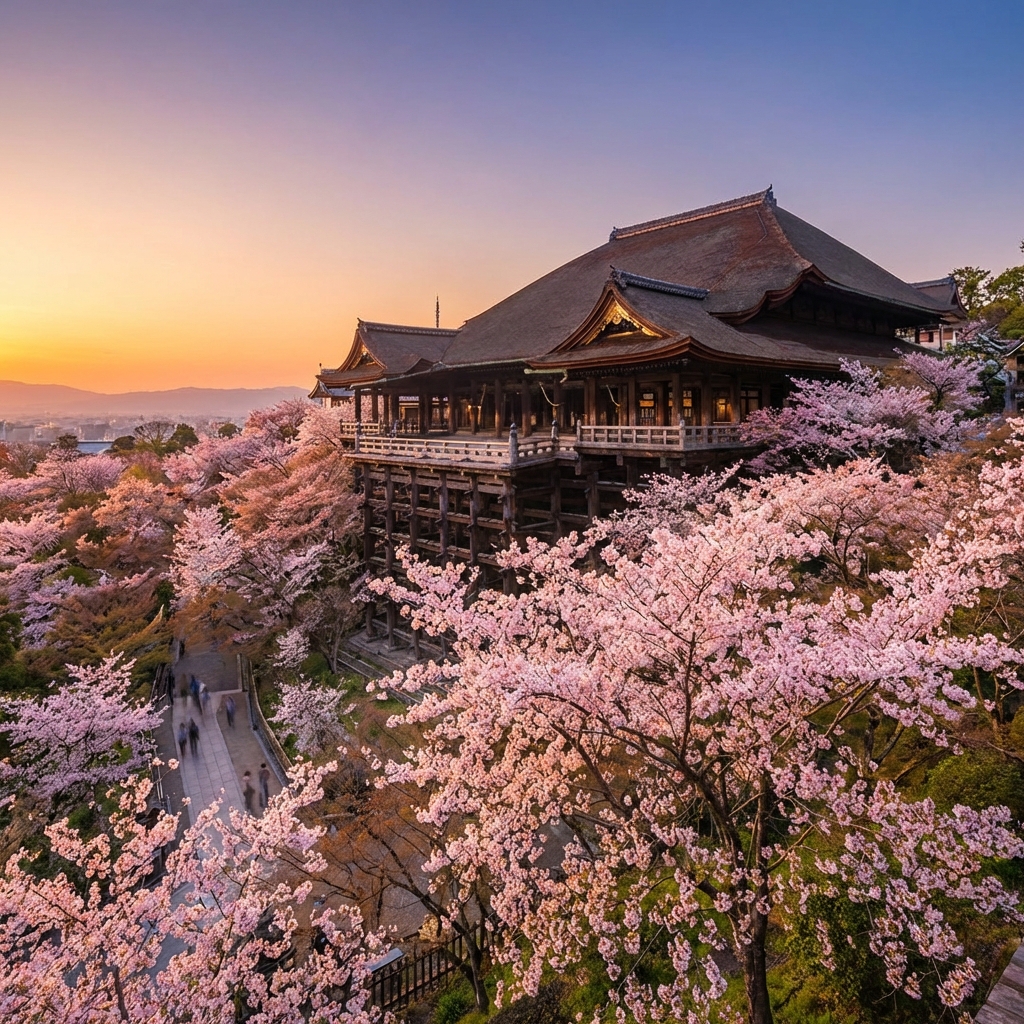
Japan captivates travelers with its extraordinary blend of ancient traditions and cutting-edge modernity. From serene temple gardens to bustling metropolitan centers, this island nation offers experiences that transform first-time visitors into lifelong admirers. Whether you dream of witnessing cherry blossoms in Kyoto, navigating Tokyo’s electric streets, or savoring the world’s finest cuisine, this comprehensive guide helps you craft an unforgettable Japanese adventure.
When to Visit Japan
Timing significantly impacts your Japanese experience. Each season offers distinct advantages and considerations worth weighing before booking flights.
Cherry Blossom Season (Late March to Early May)
The iconic sakura season draws millions of visitors annually. Cherry blossoms typically bloom from late March through early May, moving northward as temperatures warm. Tokyo sees peak blooms around late March, while Kyoto’s flowers usually peak in early April.
Expect crowded parks, higher hotel rates, and the need to book accommodations months in advance. Despite logistical challenges, experiencing hanami (flower viewing) remains a bucket-list moment. Local families gather beneath flowering trees, sharing food and drinks while celebrating nature’s fleeting beauty.
Autumn Colors (Mid-October to Early December)
Fall foliage rivals cherry blossoms in spectacular beauty. Maple trees transform temple grounds into crimson wonderlands. Kyoto’s gardens become particularly stunning, with Tofuku-ji Temple and Kiyomizu-dera offering breathtaking autumn vistas.
This period attracts slightly fewer tourists than spring while delivering equally impressive natural displays. Comfortable temperatures and clear skies make autumn ideal for outdoor exploration.
Winter Season (December to February)
Winter brings unique advantages for budget-conscious travelers. Outside peak holiday periods, you’ll find lower prices and smaller crowds at major attractions. Northern regions offer world-class skiing at resorts like Niseko and Hakuba.
Japanese hot springs (onsen) become particularly appealing during colder months. The experience of soaking in steaming outdoor baths while snow falls around you creates memories that last forever.
Exploring Tokyo: The Ultimate Urban Adventure
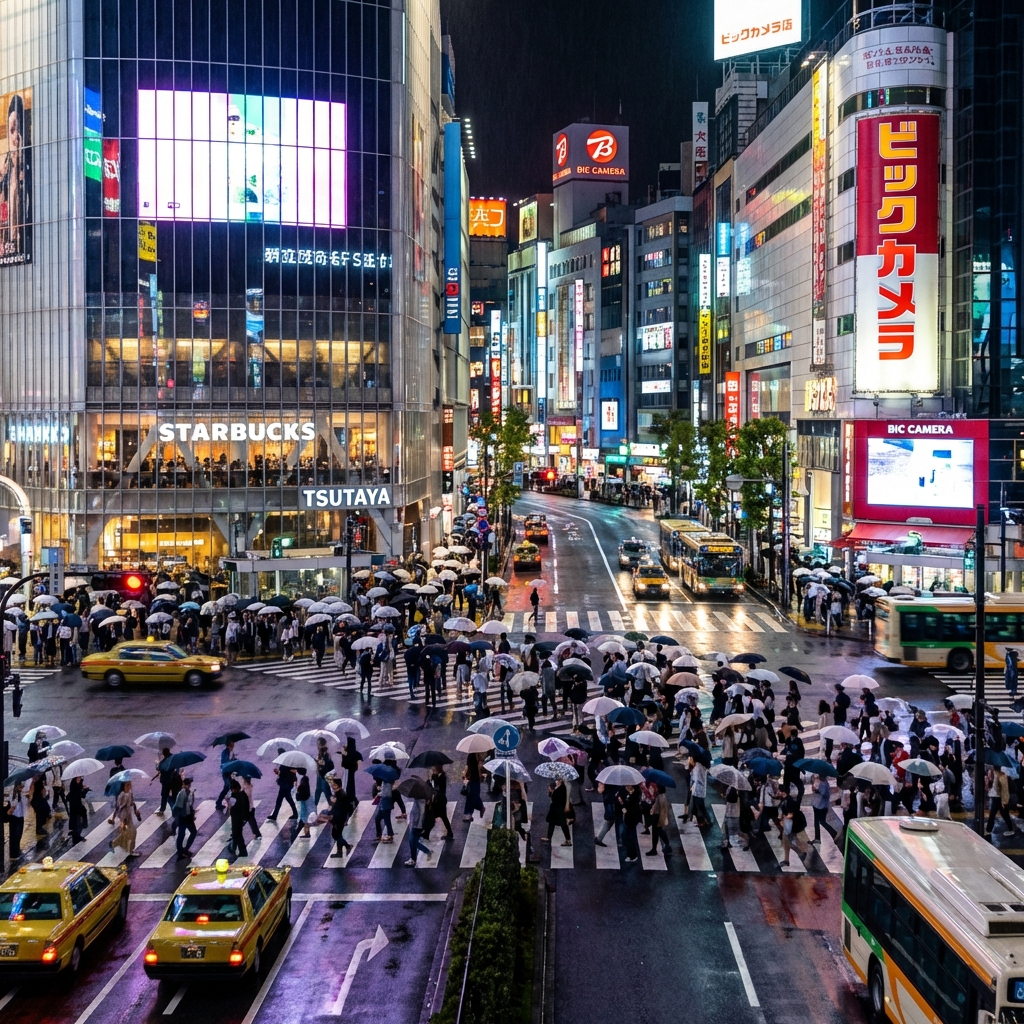
Tokyo overwhelms first-time visitors with its sheer scale and energy. The world’s largest metropolitan area somehow manages to function with remarkable efficiency while offering endless discoveries around every corner.
Essential Tokyo Neighborhoods
Shibuya and Harajuku represent youth culture central. The famous Shibuya Crossing handles thousands of pedestrians each light change, creating organized chaos that somehow never results in collisions. Nearby Harajuku’s Takeshita Street showcases Japanese street fashion in its most creative forms.
Shinjuku combines towering office buildings with intimate drinking alleys. Golden Gai’s narrow lanes house over two hundred tiny bars, each seating fewer than ten people. This area transforms after dark into a photographer’s paradise of neon signs and atmospheric lighting.
Asakusa provides connection to traditional Tokyo. Senso-ji Temple, the city’s oldest Buddhist temple, anchors a neighborhood filled with traditional shops and street food vendors. The approach to the temple through Nakamise shopping street sells everything from handmade crafts to freshly fried snacks.
Tokyo Transportation Tips
Purchase a Suica or Pasmo IC card immediately upon arrival. These rechargeable transit cards work on virtually all trains, buses, and even convenience store purchases. The initial investment saves considerable time avoiding ticket machines for every journey.
Download the Japan Transit app for real-time navigation. The system calculates optimal routes across multiple rail companies, including walking times between connections. Tokyo’s rail network appears impossibly complex initially but becomes intuitive within days.
Kyoto: Living History
Kyoto served as Japan’s capital for over a millennium, leaving behind an extraordinary concentration of temples, shrines, and traditional neighborhoods. The city feels like a living museum where ancient practices continue alongside modern life.
Must-Visit Kyoto Temples
Fushimi Inari Taisha features thousands of vermillion torii gates winding up a mountainside. Starting early morning helps avoid crowds on the lower paths, though the trail becomes quieter as you ascend higher. The complete hike takes two to three hours but offers remarkable serenity at the summit.
Kinkaku-ji (Golden Pavilion) dazzles visitors with its gold-leaf-covered exterior reflected in a mirror pond. Mornings provide the best photography conditions, with mist sometimes adding ethereal quality to images.
Arashiyama Bamboo Grove creates an otherworldly experience when morning light filters through towering stalks. The path extends only a few hundred meters, so combining this visit with nearby Tenryu-ji Temple maximizes the trip across town.
Traditional Kyoto Experiences
Consider staying at a ryokan (traditional Japanese inn) for at least one night. These accommodations serve kaiseki dinners featuring multiple courses of seasonal specialties. Sleeping on futon mattresses laid on tatami floors and bathing in communal hot springs provides authentic cultural immersion.
Geisha districts like Gion offer evening strolls where you might spot geiko (Kyoto’s term for geisha) hurrying between appointments. While hiring a geisha for entertainment requires significant expense and connections, simply experiencing the neighborhood’s atmosphere costs nothing.
Japanese Cuisine: Beyond Sushi
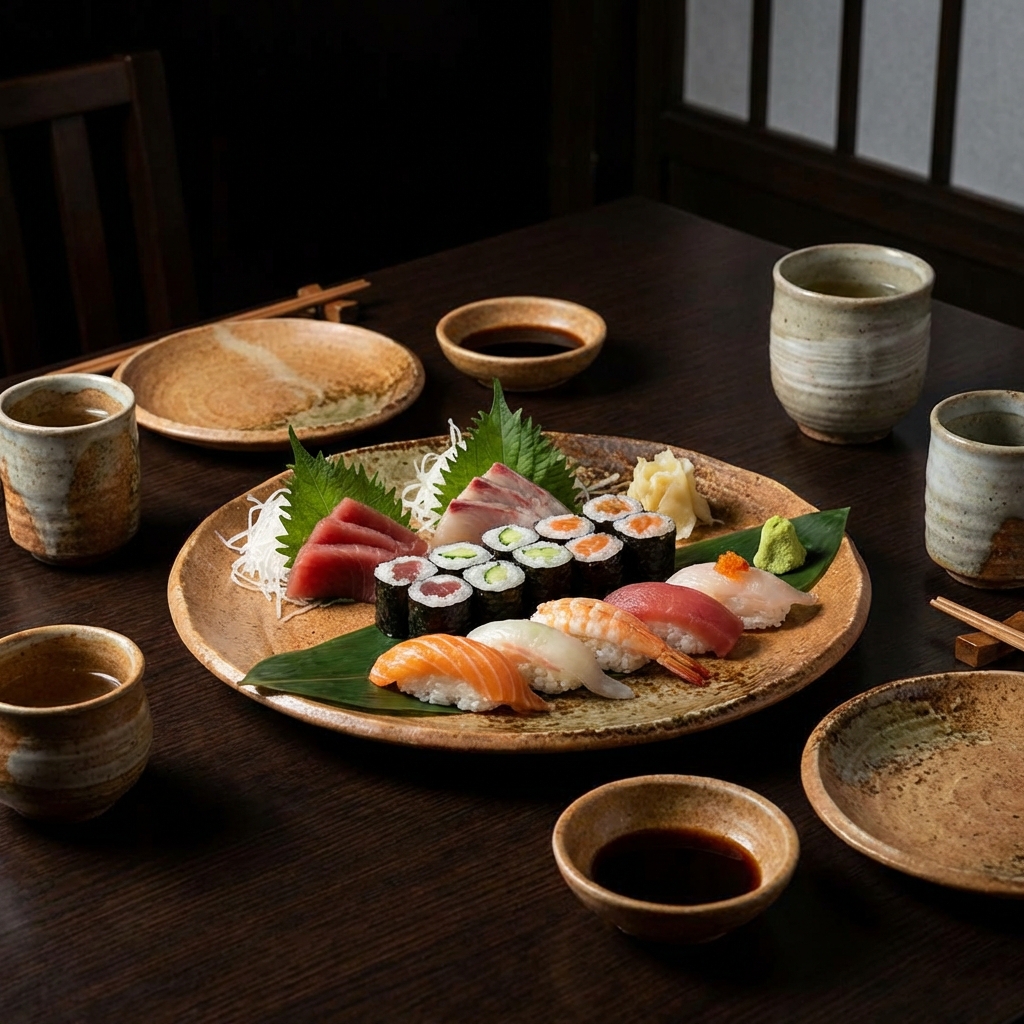
Japanese cuisine extends far beyond the sushi and ramen familiar to international diners. Each region boasts distinctive specialties, and even common dishes achieve remarkable heights when prepared with Japanese attention to detail.
Essential Dishes to Try
Kaiseki represents the pinnacle of Japanese culinary arts. These multi-course meals emphasize seasonal ingredients, artistic presentation, and careful balance of flavors, textures, and cooking techniques. While expensive at high-end establishments, lunch kaiseki options provide more accessible entry points.
Okonomiyaki (savory pancakes) vary between regions. Osaka-style mixes all ingredients into the batter, while Hiroshima-style layers components including noodles. Both versions arrive at your table sizzling on hot griddles, finished with sweet-savory sauce, mayonnaise, and bonito flakes.
Street food deserves serious attention. Festival stalls and permanent vendors serve takoyaki (octopus balls), yakitori (grilled chicken skewers), taiyaki (fish-shaped cakes), and countless regional specialties. Following local crowds to popular stalls rarely disappoints.
Dining Etiquette Basics
Remove shoes when entering traditional restaurants with raised seating areas. Look for shelves or lockers near entrances for shoe storage.
Slurping noodles indicates enjoyment rather than poor manners. The sound aerates the noodles, enhancing flavor perception while cooling hot broth.
Tipping does not exist in Japanese service culture. Attempting to leave tips may cause confusion or even offense. Excellent service comes standard without additional compensation expectations.
Practical Travel Tips
Getting Around Japan
Purchase a Japan Rail Pass before arriving if you plan significant bullet train travel. The pass must be ordered from authorized overseas vendors and cannot be purchased within Japan. Seven, fourteen, and twenty-one day options cover unlimited travel on most JR trains, including shinkansen (bullet train) routes.
Regional passes offer alternatives for focused itineraries. JR West, JR East, and other companies sell passes covering specific areas at lower costs than national passes.
Money and Payments
Japan remains surprisingly cash-dependent despite technological advancement. Many restaurants, smaller shops, and some attractions accept only cash. Carry sufficient yen for daily expenses, withdrawing from convenience store ATMs like 7-Eleven when needed.
Credit cards gain wider acceptance annually but shouldn’t be relied upon exclusively. Visa and Mastercard work most commonly where cards are accepted.
Language Considerations
English proficiency varies significantly. Major tourist destinations and urban centers provide reasonable English support, while rural areas may require more creative communication.
Download translation apps before departure. Google Translate’s camera function can decode menus, signs, and other text in real-time when pointed at Japanese characters.
Conclusion
Japan rewards travelers willing to embrace its unique culture while accepting occasional communication challenges. The country’s legendary hospitality, remarkably efficient infrastructure, and extraordinary attention to quality in everything from train schedules to convenience store onigiri create experiences unavailable anywhere else.
Start planning several months ahead, especially for peak periods. Book accommodations early, arrange rail passes, and research specific attractions for any required reservations. When you finally arrive, prepared but flexible, Japan will exceed your highest expectations and leave you planning your return visit before departing.