The Pacific Northwest road trip itinerary is a flexible self-drive route that strings together Oregon’s coast, Washington’s rainforests, and the Cascade peaks into one loop you can complete in 10 to 14 days. This guide lays out a practical day-by-day plan with mileage, realistic drive times, suggested stops, lodging tips, seasonal notes, and money-saving ideas so you can adapt the trip to your schedule without rushing.
What this route delivers and who it’s for
This itinerary is designed for independent travelers who want a balance of ocean viewpoints, old-growth forests, waterfall hikes, glacier-capped mountains, and livable cities. If you enjoy scenic driving with short, rewarding walks, photography, local seafood, small-town coffee shops, and national parks you can explore without technical gear, you’ll find this route fits. It works well for couples, small groups of friends, and families with school-age kids who can handle 1–3 hour day hikes. If you have a compact SUV or a standard sedan, you’re set; no high-clearance rig is required. EV drivers can do this trip too with a bit of charging strategy.
The loop mixes famous highlights with lesser-known turnouts where you can step away from crowds. It is also built to flex: you can trim city time and add more time at the coast, or skip a longer hike if the weather turns. Daily mileage stays reasonable, and each day includes at least one short “pull-off and wow” stop for when energy is low. You will also find lodging and campground ideas placed at intervals that reduce last-minute scrambles.
Trip at a glance
- Total time: 10–14 days (12–13 is the sweet spot)
- Distance: roughly 1,300–1,700 miles depending on detours
- Route style: loop between Seattle and Portland via the Oregon Coast, Olympic Peninsula, and the Cascades
- Best months: late May through early October (see seasonal notes below)
- National parks: Olympic, Mount Rainier, North Cascades (optional), Crater Lake (optional extension)
- Driving difficulty: mostly paved highways with occasional narrow coastal segments
Pacific Northwest road trip itinerary
Use the 14-day version as the full plan; when you need a 10-day version, trim the clearly marked optional days or condense city time.
Day 1: Arrive in Seattle, get your bearings
Pick up the car, shake off jet lag, and ease in with a low-stakes day. Stroll Pike Place Market early to avoid crowds, grab a cup at a local roaster, and walk the waterfront. If the sky is clear, sunset from Kerry Park frames the skyline with distant peaks. Overnight in Seattle, ideally near a garage if you brought an EV or plan to charge overnight.
Day 2: Seattle to Port Angeles via ferry (Olympic Peninsula)
Catch the Bainbridge Island ferry for a scenic launch to your loop. The 35-minute ride delivers a postcard view of the city slipping away. Drive north on WA-3/WA-104 and continue to Port Angeles (about 3 hours total driving, plus ferry). If weather is fair, head up to Hurricane Ridge for sweeping Olympic mountain views (check road status). Overnight in Port Angeles or in a nearby cabin with kitchen to simplify meals.
Day 3: Olympic National Park rainforests and beaches
Plan a loop day to Hoh Rain Forest for the Hall of Mosses or Spruce Nature Trail (easy, photogenic). Continue out to the coast for Ruby Beach or Rialto Beach, where sea stacks and tidepools shine during low tide. Keep an eye on the tide chart and never turn your back on waves. Drive back to Forks or La Push for the night; aim to cap your driving at 3–4 hours total to leave time on foot.
Day 4: Olympic Peninsula to Astoria (entering the Oregon Coast)
Trace US-101 south via Lake Quinault (short rainforest loop hike) and Aberdeen. Cross the mighty Columbia River on the Astoria-Megler Bridge and settle in Astoria. Climb the Astoria Column or visit the riverfront. This is a good laundry and grocery reset point. Overnight in Astoria.
Day 5: Northern Oregon Coast — Cannon Beach to Tillamook
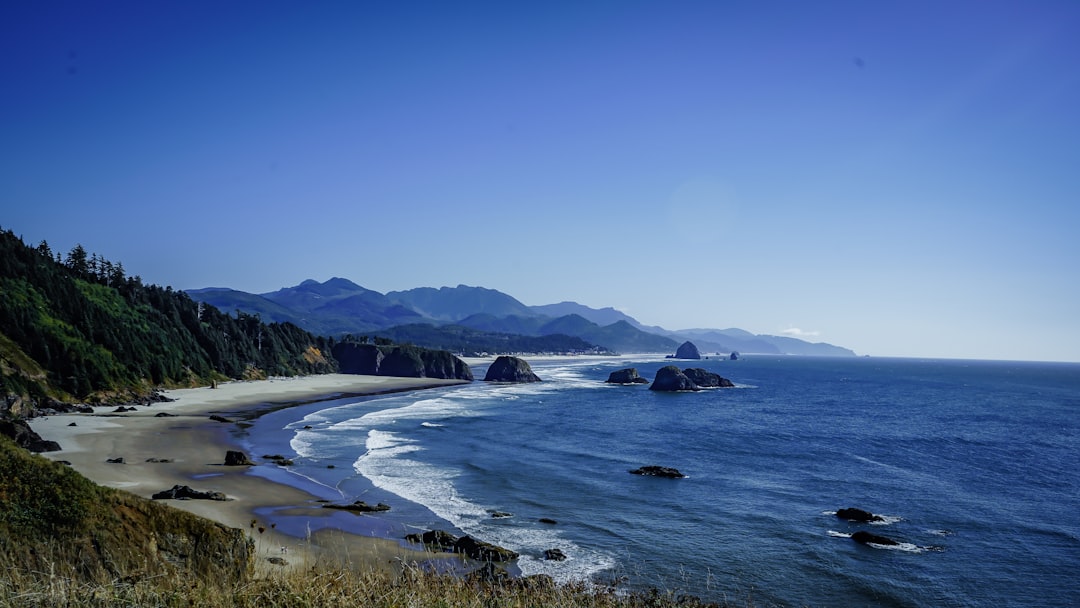
Short mileage, lots of viewpoints. Hit Ecola State Park for coastal trails and Cannon Beach’s iconic Haystack Rock. Continue to Oswald West State Park for the short walk to Short Sand Beach. Roll into Tillamook for the Creamery tasting room and a hearty dinner. Overnight in Tillamook or in a nearby coastal town like Garibaldi or Rockaway Beach.
Day 6: Central Oregon Coast — Three Capes and Newport
Detour along the Three Capes Scenic Route for Cape Meares Lighthouse and Octopus Tree. Continue to Depoe Bay to look for whales from the harbor wall, then down to Newport for the Yaquina Head Outstanding Natural Area and tidepools. If time allows, visit the Oregon Coast Aquarium. Overnight in Newport.
Day 7: South to Florence and the dunes
Continue along US-101 to Heceta Head Lighthouse viewpoint, then a short stop at the Sea Lion Caves (tour optional). Roll into Florence’s Old Town for lunch. Explore Oregon Dunes National Recreation Area; a ranger-led walk or a quick climb up a dune at the Jessie M. Honeyman area gives you the feel without a tour. Overnight in Florence or Reedsport.
Day 8: Coast to Portland via the Coast Range
Choose an inland route (OR-126 and I-5) to Portland, or extend the coast day if you’re loving it and then push to Portland in the evening. In Portland, park the car and go on foot or transit. Sample food carts, cross the river on a walking bridge, and browse independent bookstores. Overnight in Portland (2 nights recommended if you want a slower pace).
Day 9: Portland at your own speed
Use this as a buffer day. Visit Washington Park for gardens, take a quick hike in Forest Park’s lower trails, or day-trip to the Columbia River Gorge (Multnomah Falls, Latourell Falls). If you’re traveling in peak season, start early to secure parking in the Gorge. Overnight in Portland.
Day 10: Portland to Mount Rainier (Paradise or Sunrise)
Drive north on I-5 and then east toward Mount Rainier National Park. Base choice depends on season: Paradise (south side) offers classic meadows and waterfall access; Sunrise (northeast) offers dramatic views across the Emmons Glacier. In summer wildflower season, Paradise’s Skyline Trail segments can be spectacular. Overnight near Ashford (Paradise side) or in Greenwater/Enumclaw (Sunrise side). Expect 3–5 hours total driving with stops.
Day 11: Mount Rainier day hikes and scenic drives
Pick one or two half-day hikes based on energy and weather: Skyline Trail (partial), Naches Peak Loop (Sunrise side), or Grove of the Patriarchs (check bridge status). Add scenic drives like Stevens Canyon Road or the Chinook Pass overlook. Respect mountain weather; carry a warm layer even in July. Overnight at the same base.
Day 12 (optional): North Cascades National Park sampler
For a 14-day trip, add a night in the North Cascades. Drive US-2 or I-90/US-97 to WA-20 (North Cascades Highway) and head to Diablo Lake, Washington Pass Overlook, and short trails like the Blue Lake Trail (if snow free). Overnight in Winthrop, Mazama, or backtrack to Sedro-Woolley if lodging is tight. If you’re on a 10–12 day clock, skip this day and go straight to the San Juan Islands or back toward Seattle.
Day 13: San Juan Islands or Snohomish loops (choose one)
If ferries align and you reserved early, take the Anacortes ferry to Friday Harbor for a car-light day. Visit American Camp, Lime Kiln Point Lighthouse (orca watching from shore), and a local cidery. If ferry logistics feel heavy, choose a gentler alternative: a farm-to-table loop in the Snohomish Valley, antique browsing, and a sunset walk along a riverfront trail. Overnight near Anacortes, Everett, or return to Seattle.
Day 14: Back to Seattle and fly out
Return to Seattle with time for last bites and a stretch. If you fly late, add an easy morning walk on Discovery Park’s Loop Trail or the Ballard Locks to watch the fish ladder. Return the car with a full charge or tank and time-pad the airport experience. If your flight is next morning, stay by the airport with a reliable early breakfast option.
How to shorten to 10–12 days without losing the magic
If you only have 10–12 days, trim strategically:
- In the Olympics, pick either Hoh Rain Forest or Lake Quinault, not both; keep one beach stop.
- On the Oregon Coast, focus on Cannon Beach and Newport, then drive inland to Portland the same evening.
- Cut one city night (either Seattle or Portland) if your priority is mountains and coast.
- Skip the San Juan Islands day and add those hours to Mount Rainier or to a longer Gorge visit.
- Use paid express toll lanes in Seattle metro to reduce weekday traffic stress.
When to go: seasonal realities and crowd patterns
Late May through early October offers the most reliable experience. June brings spring-green forests and increasing daylight, but some high country trails hold snow into July. July–August provide the most consistent sun on the coast and drier mountain windows—also the highest visitation. September is excellent: fewer families on the road, warm water for tidepooling, and clear mountain air unless wildfire smoke intrudes. Early October can deliver crisp days and golden larches in the Cascades; be prepared for earlier sunsets and occasional cold snaps.
Winter and shoulder months demand flexibility. Coastal storms create dramatic seas and fewer crowds, but some park roads close due to downed trees or flooding. In the mountains, check road openings (e.g., Sunrise often opens late and closes early), and verify chain requirements or tire laws after the first storms. Ferry schedules reduce in winter; book ahead to avoid long standby lines on popular routes.
Permits, passes, and simple compliance that saves headaches
Bring or buy the America the Beautiful annual pass if you plan to enter multiple national parks; it often pays for itself on a trip like this. Some state parks along the Oregon Coast and in Washington require separate passes; for Washington State Parks, the Discover Pass is often needed for day-use parking, while Oregon State Parks frequently charge day-use fees at kiosk lots. Always display the correct pass to avoid tickets at popular trailheads.
Timed-entry systems come and go. Before your trip, check whether any parks or scenic corridors (for example, popular waterfall zones in the Columbia River Gorge) are using timed entries or vehicle reservations. If they are, aim for the earliest slots to maximize parking availability and daylight. Keep a paper copy or offline screenshot of confirmations in case service drops at the gate. For tidepooling stops, look up local tide tables and plan arrivals at low tide to reduce risk and to see more marine life.
Vehicle choice, EV strategies, and pre-drive checks
This loop works with a compact sedan, a mid-size SUV, or an EV with 250+ miles of real-world range. A small SUV grants better clearance on rougher coastal pullouts and more comfortable packing for multiple travelers; however, a sedan is perfectly fine if you pack efficiently and avoid soft shoulder parking. If you’re renting, choose a model with modern driver-assist features that reduce fatigue on long interstates. For EV renters or owners, plan charging around meal stops and overnights: Portland and Seattle have dense DC fast-charger networks, while the Olympic Peninsula and coastal segments are improving but still sparser. When chargers are limited, top up opportunistically rather than arriving near empty.
Do a quick pre-drive check before you leave each base:
- Tires: inspect for cuts, bulges, and proper pressure; coastal temperature swings can change PSI.
- Fluids: windshield washer fluid, oil (for gas vehicles), and coolant levels.
- Lights and wipers: salt spray and pollen reduce visibility; carry microfiber cloths.
- Brakes: listen for scraping and note any pulling under light braking; schedule service if needed.
- Charging gear (EV): confirm adapters, payment apps, and working cables; store in a dry bin.
- Emergency kit: triangle/reflectors, headlamp, blanket, first-aid basics, and an old towel for muddy shoes.
For mountain days, carry a compact ice scraper even in summer; morning frost can surprise you at elevation. Keep two to three liters of water per person in the car, plus a soft cooler with snacks—rural gaps can be long between services, and you’ll want flexibility to stop for a view without hunting for stores.
Lodging strategies: how to sleep well and keep the loop moving
A good rhythm is two nights in the Olympics (Port Angeles/Forks), two to three along the Oregon Coast (Astoria/Newport/Florence), two in Portland, and two around Mount Rainier. If you add North Cascades, insert one night near Winthrop or Mazama. Booking 60–90 days ahead in July–August helps in coastal towns and national park gateways; shoulder season gives more freedom to book as you go.
Mixing stays keeps costs down and adds character: motels near trailheads, simple cabins with kitchens to cook breakfast, and one or two splurges with a view (for example, a boutique inn overlooking the Columbia River). Campers will find coastal and forest campgrounds that can be reserved online; select loops that place you near restrooms and short trails. If you rely on same-day deals, start searching by mid-afternoon and be ready to pivot to the next town up the road. Always verify parking fees and EV charging policies with your lodging—garages may have different rates for overnight charging.
Budgeting: what this trip typically costs and the levers you control
Costs swing by season, lodging style, and vehicle choice. As a planning baseline for two travelers sharing a room:
- Lodging: USD $120–$250 per night for mid-range coastal and gateway towns (higher in peak summer, lower in shoulder months).
- Car: $50–$120 per day for a standard rental; EVs may cost more but can reduce fuel spend.
- Fuel/Charging: $200–$400 total fuel for gas vehicles; EV charging varies widely ($60–$180) depending on where you charge.
- Food: $60–$120 per day for two if you mix grocery breakfasts, picnic lunches, and one sit-down dinner.
- Passes/Parking: $80 for the national parks annual pass; $10–$30 in day-use fees across the route.
To reduce costs, anchor several nights in kitchen-equipped places and cook two meals per day, target free viewpoints and short trails instead of guided activities, and travel in June or September when rates soften. Paid whale-watching tours and dune buggy rides are fun but optional; the free coastal pullouts often provide the same “wow” for your eyes and camera.
Food, groceries, and water without the scavenger hunt
Stock a pantry bin before leaving Seattle or Portland: oats, tortillas, nut butter, dried fruit, jerky, ramen, instant rice, salt/pepper, and favorite trail snacks. A soft cooler plus reusable ice packs simplifies beach picnics. On the coast, you’ll find fish and chips, clam chowder, and crab shacks; mix these with salads and fresh fruit to keep energy even. Coffee culture is strong across the region; small towns routinely have roasters and friendly bakeries opening early.
Carry a water filter or a few purification tablets for back-up, though you can refill routinely at parks, visitor centers, and cafes when you purchase something. Many coastal pullouts lack trash cans—keep a small bag for your own waste until you reach the next town. Leave scented foods sealed in a cooler or trunk to avoid curious wildlife at trailheads.
Safety, wildlife, and driving etiquette
On the coast, watch for sneaker waves and unstable cliffs; stay behind rope lines and read local warning boards. In forests and mountains, black bears are generally shy—make noise on the trail, give them space if you see one at a distance, and store food out of sight. Elk and deer cross coastal highways at dawn and dusk; reduce your speed in signed areas. In the alpine zone, weather can shift fast; pack a hat, warm layer, and rain shell even on sunny mornings.
Driving etiquette keeps the loop smooth. Use pullouts to let locals pass on winding roads, signal early when you’re slowing for a scenic turnout, and park fully off the pavement. On ferries, set your parking brake and follow crew directions. Cell service drops in several pockets (Hoh Valley, parts of US-101, North Cascades Highway), so download offline maps before you leave the city.
Detours and extensions if you gain a day
If you find yourself ahead of schedule or fall in love with one region, consider these add-ons:
- Columbia River Gorge focus day: String together Latourell Falls, Bridal Veil, Wahclella Falls, and Rowena Crest (seasonal bloom). Go early for parking.
- Crater Lake National Park (2 days, southern Oregon): Best as a separate loop or an ambitious extension after Florence; check Rim Drive openings and expect cool temperatures even in midsummer.
- Oregon wine country: From Portland, a day of tastings and short vineyard walks in the Willamette Valley.
- Whidbey Island: A slower island day with beaches, Deception Pass viewpoints, and historic Coupeville.
- Vancouver, BC (passport required): If you have extra time and want an international dash, hop north from Seattle.
Navigation, apps, and analog backups
Download offline maps in Google Maps or your preferred app for the entire loop. Add AllTrails (offline map option) for popular trailheads, Ferry apps for schedules and reservations, and park-specific apps or text alerts if available. Save charging networks (EVgo, Electrify America, ChargePoint) in a folder if you drive electric. Bring a paper state map as a fail-safe; in forest valleys your phone can show bars but still time out.
For more trip building blocks and future itineraries, explore the guides at Traveling RNs. Bookmark it before you go offline so it is one tap away when you’re planning in a cabin or beside a campfire.
Packing checklist you’ll actually use
Use this short list to avoid overpacking while staying ready for coastal wind and mountain chill:
- Light rain shell, warm midlayer, quick-dry base, sun hat, knit cap, and gloves (summer nights can be cold at elevation).
- Trail shoes with good grip; sandals or slip-ons for beach walks and ferry decks.
- Daypack with 2–3L hydration capacity, headlamp, microspikes (late spring at elevation), and a small first-aid pouch.
- Soft cooler, two reusable water bottles, travel utensils, knife, and cutting board.
- Binoculars for wildlife and lighthouse views; small tripod if you enjoy long-exposure ocean shots.
- Power bank, multi-port car charger, and an outlet splitter for motels with limited plugs.
- Documents: licenses, insurance, passes/reservations, and a physical list of confirmation numbers.
- Comforts: quick-dry towel, compact blanket, eye mask—helpful for long summer daylight.
Leave no trace on a popular loop
Popularity is a double-edged blade for beautiful places. You can help keep this loop special by staying on established paths, packing out all trash (including orange peels and nut shells), and using restrooms or wag bags where required. Tidepools are living neighborhoods—step on bare rock, not seaweed; handle nothing. At trailheads and pullouts, keep noise low and engines off while parked; idling increases fumes and disturbs others who stopped for quiet.
Quick reference: 10–14 day schedule builder
- 10 days: Seattle (1) → Olympic NP (2) → Cannon Beach/Newport (2) → Portland (1) → Mount Rainier (2) → Seattle (2 half days across travel days)
- 12 days: Seattle (1) → Olympic NP (2) → Oregon Coast (3) → Portland (2) → Mount Rainier (2) → Seattle (1)
- 14 days: Seattle (1) → Olympic NP (2) → Oregon Coast (3) → Portland (2) → Mount Rainier (2) → North Cascades or San Juan Islands (1–2) → Seattle (1)
Final notes before you go
Two habits make this route smoother: start early and keep a short list of “musts” for each day. Sunrises along the coast are calm and open parking; mountain trailheads fill by mid-morning. Weather changes quickly; a Plan B viewpoint or museum keeps the day enjoyable if clouds roll in. With a flexible mindset and this structure, you’ll connect ocean air, mossy quiet, alpine light, and lively neighborhoods into a loop you’ll remember well after the car is returned.