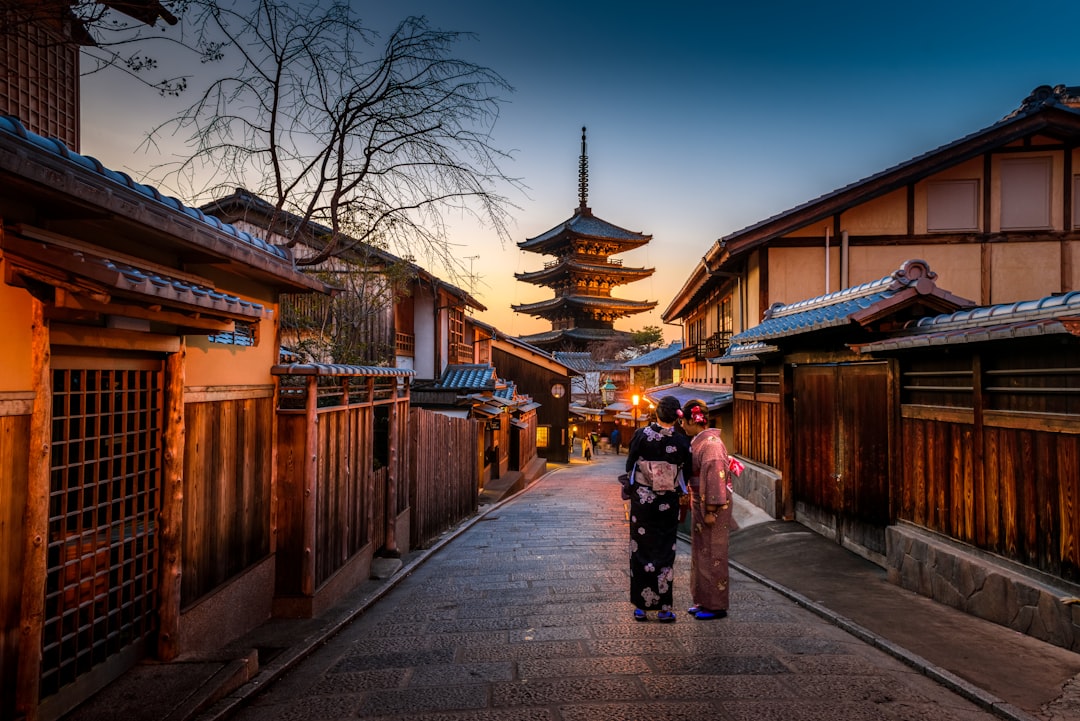
Things to Do in Kyoto can easily fill several days, but the city feels most rewarding when you stop trying to collect highlights and start moving at a gentler pace. Kyoto is not a place that asks for speed. It rewards attention. A lane beside a temple wall, a bowl of noodles after a long walk, a quiet garden bench at midday, or a market stall where the owner is still slicing pickles by hand can matter just as much as the famous sights.
That is why Kyoto works best when your plan stays flexible. You can build a day around temples and shrines, then let food, neighborhoods, and weather shape the rest. You can follow a classic route through the eastern hills, or spend an afternoon on the western side with bamboo groves and river views. You can lean into history, or you can use the city as a slower travel base and keep your schedule light.
This guide focuses on practical choices. It is built for travelers who want a city plan that feels realistic, balanced, and enjoyable in real life. If you are also building a bigger Japan route, you can keep more trip ideas in view through Traveling RNs, then come back here and shape Kyoto around the pace that suits you.
The short version is simple. Pick a few anchor sights, leave room for wandering, and do not assume the busiest places are the most memorable. In Kyoto, some of the best hours happen between the headline stops.
Things to Do in Kyoto on Your First Day
If you only have one day, Kyoto can still feel generous. The mistake many visitors make is trying to cross the city from one famous attraction to another without noticing how much time disappears into movement. A better first day usually starts with one compact neighborhood, one meal stop, one temple or shrine, and one slow walk. That gives the city room to make an impression instead of turning the day into a checklist.
A common first-day pattern is the eastern side of the city. You can begin with an early temple visit, move into a historic walking district, stop for lunch near a market or cafe, and finish with sunset views from a hillside path or riverside promenade. That style of day works because the sights are close enough to connect, but varied enough to feel full. You are not bouncing between unrelated districts. You are building a mood.
On a short stay, I would also keep the pace forgiving. Kyoto is one of those cities where the walk between attractions often matters as much as the attraction itself. A few blocks of old wooden facades, a stone stairway, or a tea shop tucked behind a gate can stay in memory longer than the most famous postcard view. That is one reason the city suits travelers who like to notice details rather than rush for quantity.
For a practical first day, think in three blocks. Morning for an iconic sight, midday for food and a shaded break, afternoon for a neighborhood stroll or a second temple, and evening for a quieter finish. If your energy is still strong, add a river walk or a simple dinner in an alley lined with lanterns. If not, stop early and enjoy the fact that you are not forcing the day.
- Choose one eastern or central district instead of trying to cover the whole city.
- Start early so you see at least one major site before the largest crowds arrive.
- Build in a long lunch or tea break to keep the day comfortable.
- End with a neighborhood walk, not another transit-heavy stop.
That approach keeps your first Kyoto day calm, memorable, and easy to repeat in a different form the next morning.
Temple Walks That Set the Tone
Kyoto is famous for temples, but temple visits work best when you treat them as part of a larger walk rather than isolated photo stops. The city has many impressive religious sites, yet the strongest experience often comes from the sequence between them. A stone path, a cedar gate, a moss garden, then a small tea stall outside the grounds can create a flow that feels richer than any single building.
Fushimi Inari Taisha is one of the clearest examples. The torii gate tunnels are iconic for a reason, but the path becomes more interesting when you go beyond the most crowded entrance area. Early morning is the best time if you want a calmer experience. The first section is lively with visitors, while the higher paths often open into quieter stretches with views back over the city. Even if you do not climb all the way, the rhythm of gates, steps, and pauses gives the place a memorable structure.
Kiyomizu-dera works differently. It has a broad visual presence, a hillside position, and sweeping city views that make the visit feel airy and open. The surrounding lanes add a lot to the experience. When you move down through the old streets after your temple visit, the transition from sacred space to shopping lanes, snack stalls, and small craft shops feels natural rather than abrupt. That change of scale is part of Kyoto’s appeal.
Other temple stops are worth adding if you want a quieter day. Nanzen-ji gives you a more spacious atmosphere with a large temple complex and attractive grounds. Tenryu-ji, especially when paired with the Arashiyama area, works well if you want an easier half-day around the western side. Ryoan-ji offers a famous rock garden that invites a slower pace than many travelers expect. None of these places asks you to rush. They ask you to notice.
If you are comparing temples, use three practical filters. First, how much walking do you want to do. Second, how much crowd energy can you tolerate. Third, do you want a view, a garden, or a historic structure as your main memory. That simple test will help you choose sites that fit your day instead of just chasing the most famous names.

Historic Streets and Old Neighborhoods
The old streets of Kyoto are where the city starts to feel layered. Temple grounds are one kind of experience, but the neighborhoods around them show how people actually move through the city. This is where wooden facades, narrow lanes, small inns, tea shops, and preserved townhouses create a stronger sense of place than any single landmark can deliver.
Higashiyama is the classic starting point. Its sloping lanes, traditional buildings, and clustered shops make it one of the easiest parts of Kyoto to enjoy on foot. You do not need a strict plan here. A good route usually includes one main temple or shrine, then a slow descent through the surrounding streets, with time for snacks, ceramics, or a tea break. Because the neighborhood is compact, you can stop often without losing your sense of direction.
Gion adds a different layer. Visitors often arrive looking for a chance to spot geiko or maiko, but the area is more rewarding when you focus on the streets themselves. Early evening is a beautiful time to walk there because the lanterns begin to glow and the pace softens. If you move respectfully and stay aware of residents and businesses, the district can feel elegant rather than staged. The best moments here are often small ones, like the reflection of a lantern in wet pavement after rain or the quiet before dinner service begins.
For a more local-feeling walk, look at smaller lanes around the main tourist corridors. Kyoto has plenty of side streets where the tourist density drops quickly. You may find a tiny bakery, a family-run shop, or a narrow alley with just enough room for two people to pass. Those moments are not dramatic, but they help the city breathe. They also remind you that Kyoto is not a museum set. It is a living city with routines that continue long after the day visitors leave.
One useful strategy is to pair an old neighborhood with a food stop. Visit a temple in the morning, walk through historic lanes afterward, and then settle into lunch before the crowd reaches its peak. This keeps the day from feeling too formal. It also gives you a natural rhythm of movement and rest, which is exactly what Kyoto tends to reward.
When travelers say Kyoto felt “special,” they are often talking about this blend of preservation and everyday life. The city does not only preserve the past. It places the past inside current routines, and that creates a calm, compelling atmosphere that stays with you.

Market Food, Casual Meals, and Local Tastes
Food is one of the easiest ways to enjoy Kyoto without overplanning. You do not need a long reservation list to eat well here. Some of the most satisfying meals are simple ones taken between sights, especially if you let the city’s neighborhoods lead you toward the right places. Markets, small noodle shops, tofu restaurants, and tea counters all give the day a strong sense of place.
Nishiki Market is the most obvious food stop, but it works best when you arrive with realistic expectations. It is lively, colorful, and full of things to sample, yet it can also be crowded enough to make you move faster than you intended. The trick is to use it as a tasting corridor, not a place to linger too long at one stall. Pick a few things that interest you, try them, and then move on before the pace becomes tiring. That approach keeps the market fun instead of overwhelming.
Tofu and yuba dishes are especially worth trying in Kyoto because they connect to the city’s culinary identity in a gentle, satisfying way. The flavors are often simple, but simple is not the same as plain. A good tofu set meal can be delicate, balanced, and surprisingly filling. If you want something more casual, noodle shops and rice bowls near temple routes are easy to fit into a day. They are also ideal when you need an efficient lunch that still feels local.
Tea deserves its own mention. Kyoto is one of the best places in Japan to slow down for matcha, hojicha, or a small seasonal sweet. A tea stop can reset the day, especially after a long walk or temple visit. It does not need to be elaborate. A quiet seat, a well-made drink, and a little time to look out a window can be enough.
If you want a balanced food day, try this rhythm. Begin with a light breakfast. Use the market or a noodle shop for lunch. Add a tea break in the afternoon. Finish with an early dinner near your evening walk. That keeps the day varied without making meals feel like a second itinerary.
Food in Kyoto is at its best when it supports the rest of the day rather than competing with it. A good meal should leave you ready for the next walk, not too full to move. That is part of the city’s charm. It encourages moderation, attention, and a little patience.
Gardens, Tea Houses, and Quieter Corners
Kyoto can be crowded, but it also offers many places that feel almost private if you choose the right time. Gardens and tea houses are especially useful when you want a break from heavy sightseeing. They let the city slow down without losing its character. You still feel like you are in Kyoto, just at a lower volume.
The beauty of a Kyoto garden is rarely loud. It is more often a composition of moss, stone, water, pruning, and space. Some gardens look especially striking after rain, when the surfaces darken and the greens become more vivid. Others depend on seasonal change, so they feel different in spring, summer, autumn, and winter. If you enjoy observing small shifts, gardens can become one of the most memorable parts of the trip.
Tea houses and small cafes near historic districts also provide a useful pause. They are ideal when you want to sit for a while but do not want a full meal. In many cases, the pleasure comes from the transition itself. You leave a busy lane, step into a quieter room, and suddenly the rest of the day feels less urgent. That sense of contrast is one of Kyoto’s quiet strengths. It knows how to move you between energy and stillness.
Even a simple garden stop can reshape how you experience the city. After an hour of walking through temples or narrow streets, a bench in a shaded courtyard can make the whole trip feel more manageable. This matters more than it sounds like it should. When your schedule has enough breathing room, you notice more, and Kyoto is a city that rewards noticing.
Some travelers skip gardens because they seem slower than temples or markets. I think that is a mistake. The gardens often provide the space where the rest of the trip settles in your mind. They are where photos stop competing with the present moment. If your goal is to leave Kyoto with a clear memory instead of a blur, make room for at least one quiet stop.
You do not need to search for the most famous garden every time. Sometimes the best one is simply the one that fits neatly between two busier stops and gives your day a calmer shape.
Arashiyama and the Western Side of Kyoto
The western side of Kyoto is a strong choice when you want a different tempo from the eastern temple circuit. Arashiyama is famous, and yes, that means it can get busy. Even so, the area still offers a satisfying mix of nature, water, walking paths, and layered sights. If you choose your timing well, it can feel like a complete half-day or full-day outing rather than just another stop on a crowded list.
The bamboo grove gets the most attention, but it is only one part of the experience. If you arrive very early, the grove can feel almost meditative. If you arrive late, it becomes more of a shared tourist corridor. The surrounding area often matters more than the grove itself. The river, the bridge, the temple grounds, and the side lanes all help the district feel larger and more varied than the famous path alone.
Tenryu-ji fits naturally into an Arashiyama plan because it gives the visit a stronger structure. You can move from temple grounds into the bamboo area, then continue toward the river or nearby cafes. That order works because it starts with a calmer site before you reach the densest foot traffic. If you reverse the route, you may feel like you are spending too much time following the crowd.
If you have more energy, the western side can include a train ride, a riverside walk, or a longer exploration of hillside viewpoints. The district also works well for travelers who want a scenic change after several temple-heavy hours. The presence of water and open space creates a different visual rhythm. You are not constantly enclosed by walls and gates. You can see farther, breathe a little easier, and let the afternoon drift.
A practical way to handle Arashiyama is to decide what kind of visit you want before you arrive. Do you want the iconic bamboo path, a temple-and-garden half-day, a river-focused stroll, or a broader western Kyoto outing. Each one is valid. The difference is in pacing. If you choose one clear version, the area feels satisfying. If you try to do everything, it can become rushed quickly.

Crafts, Museums, and Rainy-Day Options
Kyoto is often described through old buildings and scenic streets, but it is also a strong city for indoor time. That matters because travel never unfolds perfectly. Some days are hot. Some are rainy. Some are just too full of walking. When that happens, crafts, museums, and small cultural spaces can keep the day interesting without asking too much of your feet.
Traditional crafts are one of the best ways to understand the city beyond its headline sights. Kyoto has a long connection to textiles, ceramics, calligraphy, incense, and other forms of making that still shape the atmosphere of the city. Even if you are not planning to buy anything, a workshop or small showroom can help you see how much care sits behind the objects travelers often pass over. It is easy to admire a tea bowl in a cafe. It is more interesting to understand how the shape, glaze, and use of that bowl fit into a longer local tradition.
Museums can help when you want context rather than scenery. A good museum afternoon gives you a place to sit, read, and reset before the next walk. That is especially useful if your trip already includes several temples and neighborhoods. Instead of trying to keep the energy level high all day, you can alternate between open-air and indoor experiences. The result feels more sustainable.
Bookstores, galleries, and small design shops can also serve as rainy-day anchors. Kyoto has a refined, quietly creative side that shows up well in these places. A traveler who enjoys stationery, prints, or handmade objects may find them just as satisfying as a major attraction. These spots also tend to be easier to fit into a route because they do not require a full block of time. You can stop in for twenty minutes and still feel that the visit mattered.
If you are traveling with someone who does not love long temple days, the indoor options become even more useful. One person can appreciate the craft history while another enjoys the calm break from walking. That makes the city easier to share.
Rain does not ruin Kyoto. It changes the mood. Wet stone, reflections on wooden facades, and softer crowds can make the city feel deeper and more atmospheric. So if the forecast turns gray, do not assume the day is lost. Shift indoors for a few hours, then step back out when the weather eases.
Evening Walks, River Views, and Low-Key Nights
Kyoto is not a city that needs a wild nightlife plan to feel complete. In fact, some of its best evening moments are quiet ones. When the day-trippers leave and the pace softens, the streets become more reflective. Lanterns glow, restaurants fill, and the river and alleyways take on a calmer kind of energy.
A river walk is one of the easiest ways to enjoy the evening. It gives you a long, open path to clear your head after a busy day, and it lets you see the city under softer light. If the weather is good, this can become one of the trip’s most restful hours. You do not need a destination. You only need a direction and enough time to wander.
Pontocho is another area worth visiting at night, especially if you want a compact dinner district with atmosphere. It can feel lively without becoming chaotic. The narrow lanes, signs, and lights create a strong visual identity, and the area is easy to combine with a walk near the river. If you arrive early enough, you can move through it before the dinner rush peaks.
For travelers who prefer a slower evening, a simple meal and a dessert stop can be enough. Kyoto is a city where the night does not need to be crowded to feel satisfying. A modest dinner, a brief walk, and a return to your hotel can be more memorable than chasing a long list of bars. That is partly because the city’s atmosphere is strongest when you are not trying too hard to consume it.
If your day included lots of temple walking, the evening should probably be easy. Let the city settle. Notice the temperature change. Notice how the streets sound different after dark. Notice how the older neighborhoods seem to hold the light a little longer.
One practical advantage of the evening in Kyoto is that you can often revisit places you saw earlier and experience them differently. A street that felt busy at midday may feel elegant at dusk. A temple area that seemed formal in the morning may seem almost reflective in the evening. That second reading can be one of the most rewarding parts of the trip.
Sample Kyoto Itineraries That Actually Feel Comfortable
Most travelers need a framework more than they need a perfect list. Kyoto is too rich for a single route to fit every type of visitor, so it helps to think in practical day shapes. A good itinerary should leave you feeling like you saw enough without making you feel hurried.
For one day, keep it tight. Choose one major eastern sight, one neighborhood walk, one meal stop, and one final evening stroll. That may sound small, but it works. A one-day Kyoto visit becomes much more satisfying when you stop trying to cross the whole city. You will remember the mood better than the mileage.
For two days, split the city into east and west. Use the first day for Kiyomizu-dera, Higashiyama, Gion, and a food or tea stop. Use the second day for Arashiyama, a garden, and a relaxed evening near the river. This gives you a balanced version of Kyoto without overloading either day. It also helps because you are not repeating the same kind of scenery all day.
For three days, add a deeper layer. Use one half-day for a temple route, one half-day for food and old streets, one half-day for crafts or museums, and leave one evening almost unplanned. That unplanned evening is often where a trip starts to feel personal. You may find a small restaurant, a neighborhood bakery, or a side street that becomes a favorite memory simply because you were not racing toward the next thing.
If you are traveling slowly, even better. Kyoto rewards long stays because its neighborhoods are distinct enough to explore without repetition. A longer visit lets you spread out the famous sights and make room for quieter places that short trips often miss. The result is less fatigue and more texture.
Here is a simple rule that helps any itinerary. Put your most crowded stop first, your most flexible stop second, and your easiest stop last. That order keeps energy under control. It also means the day gets easier rather than harder as you go.
- One day: one major sight, one neighborhood, one meal break, one evening walk.
- Two days: east side on day one, west side on day two.
- Three days: add crafts, museums, and a free evening.
- Longer stay: mix famous sites with low-key neighborhoods and repeat visits at different times of day.
Practical Tips for Transport, Seasons, and Budget
Kyoto is easy to enjoy when the logistics stay simple. The city is large enough that distance matters, but compact enough that you can still build efficient days if you think ahead. A little planning goes a long way here, especially when it comes to transport, weather, and spending.
Transport is the first thing to get right. Kyoto can involve buses, trains, taxis, and a fair amount of walking. If your route crosses several districts, it is worth checking how much time you will actually spend in transit. Sometimes the best plan is not the technically shortest route, but the one that keeps you in a single area longer. That is especially true if you are trying to enjoy the atmosphere instead of racing between checkboxes.
Season matters a lot. Spring can be beautiful and busy. Summer can feel hot enough that you need built-in breaks. Autumn is one of the best times for color and comfort. Winter can be quiet and crisp, which many travelers enjoy because the crowds are often lighter. Each season changes how you should plan the day. In hotter months, start earlier and build in indoor stops. In cooler months, longer walks and evening outings become easier.
Budget also shapes the experience more than many visitors expect. Kyoto can be done in a wide range of styles. You can spend more on premium meals, tea experiences, and special stays, or keep things moderate with casual food and efficient transport. Neither version is wrong. What matters is matching the trip to the kind of day you actually want. A cheaper trip does not have to feel thin. A more expensive trip does not automatically feel richer.
If you want a useful budgeting rule, spend where the experience changes. That often means a memorable meal, a special stay, a worthwhile guide, or an indoor activity on a bad-weather day. Save elsewhere. There is little value in overspending on transit or on a stop you only chose because it was famous.
Comfort also comes from small choices. Wear shoes you can walk in for hours. Carry water when the weather is warm. Keep your schedule loose enough that you can pause when a neighborhood catches your attention. And remember that Kyoto is better when you leave room for surprise. The city’s strongest moments often arrive between plans, not inside them.
In the end, the best way to experience Kyoto is not to cram it. It is to give it time to unfold. When you do that, the temples, streets, meals, gardens, and evening walks start to connect into a trip that feels clear, calm, and worth repeating.